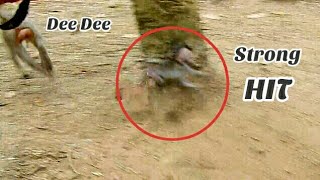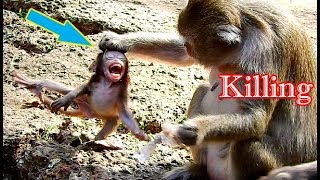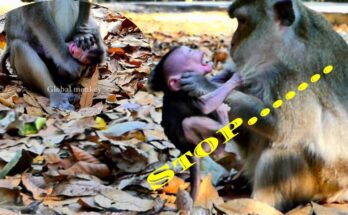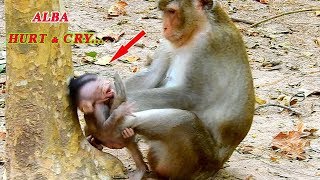
The forest fell silent in a moment that felt heavier than the dark clouds above. Anna, usually restless and unpredictable, suddenly turned her anger toward little Alba. What began as a sharp cry became a frightening scene: Anna fought, shoved, and pushed Alba toward the big tree, its rough bark towering like a wall of fear. Anyone watching could feel their heart sink. Alba was small, fragile, and unprepared for such violence from the very one meant to protect her.
Alba clung desperately, tiny fingers searching for safety while her eyes widened with confusion. She did not understand why comfort had turned into cruelty. Each push echoed louder than the wind through the leaves, and every second felt like a warning sign. Fear wrapped around Alba’s body, shaking her balance and her trust at the same time. It was not just a physical danger—it was emotional, deep, and lasting.
After the struggle, Alba stayed quiet. Too quiet. She sat near the tree, staring into nothing, her breathing shallow. This silence asked a painful question: does Alba get trauma? Trauma is not always loud. Sometimes it hides in stillness, in flinching movements, in eyes that no longer expect kindness. For a baby like Alba, such moments can leave invisible scars, shaping how she sees the world and those around her.
The forest returned to its sounds, but the scene stayed carved in memory. Watching Anna’s actions was shocking, heartbreaking, and impossible to forget. Alba deserved safety, warmth, and patience—not fear. This moment reminds us that strength without care becomes cruelty, and that the smallest hearts are the ones that suffer most. Alba’s story is not just sad—it is a call for awareness, compassion, and protection for the vulnerable, before fear becomes the only thing they learn to hold.